





-
 Home Improvement
 -
 0 Comments
5 Genius Ways Retractable Awnings Transform Your Home
1. Enhanced Curb Appeal and Property Value
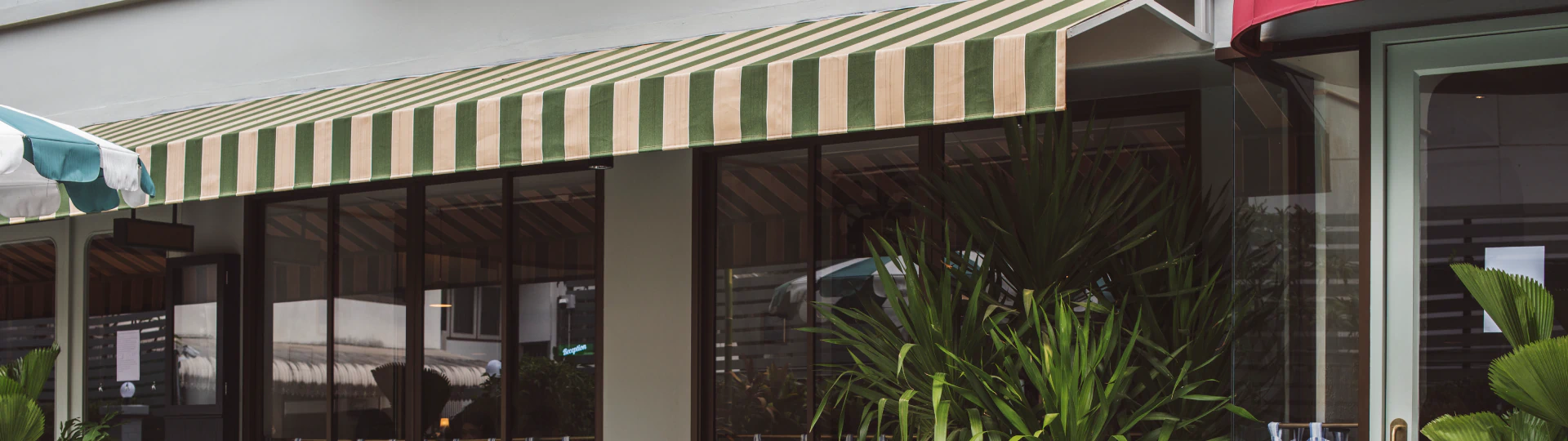
First impressions matter when it comes to real estate, and a well-designed outdoor space can significantly increase your property’s market appeal. Installing retractable awnings creates an immediate visual upgrade that potential buyers notice during showings and curb-side evaluations.
Unlike permanent structures that may clash with architectural styles or limit future modifications, retractable awnings offer design flexibility. Homeowners can select from hundreds of fabric colors and patterns that complement existing exterior palettes, from classic neutrals to bold accent shades. This customization ensures the installation enhances rather than detracts from your home’s aesthetic character.
Real estate professionals consistently report that outdoor living enhancements yield strong returns on investment. Properties with functional outdoor spaces command higher asking prices and spend less time on the market. The ability to showcase a shaded patio or deck during summer months demonstrates usable square footage that buyers increasingly prioritize.
The retractable mechanism itself adds perceived value by signaling thoughtful home maintenance and modern convenience features. During Pennsylvania’s variable weather patterns, this adaptability becomes particularly valuable. Homeowners can extend awnings during intense afternoon sun exposure, then retract them when storms approach or during winter months to prevent snow accumulation damage.
Beyond monetary value, the aesthetic transformation creates pride of ownership. A cohesive outdoor design encourages homeowners to maintain surrounding landscaping, patio furniture, and exterior finishes. This comprehensive approach to outdoor aesthetics generates a compound effect on overall property presentation.
2. Dramatic Energy Savings and Temperature Control
Direct sunlight streaming through windows during summer creates greenhouse effects that force air conditioning systems to work overtime. Strategic awning placement blocks solar heat before it penetrates glass surfaces, reducing interior temperatures by up to 15 degrees in rooms with southern or western exposure.
This passive cooling approach translates directly into lower utility bills. Studies from the Department of Energy indicate that properly positioned awnings can reduce cooling costs by 25 percent or more during peak seasons. For Pennsylvania homeowners facing humid summers, this represents hundreds of dollars in annual savings while reducing strain on HVAC equipment.
The temperature regulation benefits extend beyond summer months. During spring and fall, homeowners can selectively deploy awnings to moderate indoor climates without activating mechanical cooling systems. This shoulder-season flexibility reduces overall energy consumption and extends the lifespan of heating and cooling equipment through reduced cycling.
Interior spaces also benefit from reduced heat exposure. Furniture fabrics, hardwood floors, and artwork suffer accelerated fading when exposed to direct ultraviolet radiation. By filtering sunlight before it enters living areas, awnings preserve interior finishes and reduce replacement costs for sun-damaged furnishings.
The environmental advantages complement financial savings. Reduced electricity consumption lowers carbon footprints and decreases demand on regional power grids during peak usage periods. Homeowners committed to sustainable living find that awning installations align with broader environmental goals while delivering immediate practical benefits.
Modern awning fabrics incorporate advanced materials that reflect rather than absorb solar radiation. These technical textiles maximize cooling efficiency while maintaining visual appeal through colorfast treatments that resist weathering and degradation from continuous sun exposure.
3. Expanded Usable Living Space
Outdoor areas frequently sit unused during peak daylight hours because direct sun makes them uncomfortable for extended periods. Installing retractable awnings converts these underutilized spaces into functional extensions of indoor living areas, effectively adding square footage without construction costs.
Families discover new patterns of outdoor use once shade protection eliminates heat discomfort. Morning coffee routines migrate to shaded patios, afternoon reading sessions become feasible on covered decks, and evening gatherings extend into twilight hours under protective canopies. This behavioral shift maximizes return on outdoor investment.
The flexibility of retractable systems allows homeowners to adapt spaces for different activities throughout the day. Full extension provides maximum coverage during intense midday sun, while partial deployment creates dappled shade for morning or late afternoon use. This adjustability accommodates changing sun angles across seasons and times of day.
For those who work from home, shaded outdoor areas become viable alternative workspaces. Fresh air and natural surroundings boost productivity and mental wellbeing while awning coverage protects laptop screens from glare and prevents overheating of electronic devices in direct sunlight.
Entertainment capabilities expand significantly with weather-protected outdoor zones. Homeowners can confidently plan gatherings knowing guests will have comfortable seating areas regardless of sun intensity. Outdoor dining becomes practical for lunch and dinner service rather than being limited to cooler evening hours.
The psychological benefits of accessible outdoor space contribute to overall quality of life. Research consistently demonstrates that time spent in outdoor environments reduces stress, improves mood, and enhances physical health. Removing the barrier of uncomfortable sun exposure makes these benefits available during more hours of each day.
4. Protection for Outdoor Furniture and Flooring
Quality outdoor furniture represents a substantial investment that deteriorates rapidly under constant exposure to ultraviolet radiation and precipitation. Cushion fabrics fade, synthetic materials become brittle, and wood finishes crack when subjected to unfiltered weather elements throughout multiple seasons.
Retractable awnings create protective zones that extend the functional lifespan of patio furnishings by years. Cushions maintain vibrant colors longer, wicker and rattan resist moisture-related degradation, and metal frames avoid the oxidation that leads to rust formation. This preservation effect reduces replacement frequency and protects the aesthetic consistency of outdoor spaces.
Deck and patio surfaces also benefit from reduced weather exposure. Composite decking materials resist moisture but still suffer from UV degradation that causes color shift and surface chalking. Natural wood decking requires more frequent refinishing when constantly exposed to sun and rain cycles. Awning coverage moderates these wear patterns and reduces maintenance requirements.
The convenience factor cannot be overstated. Homeowners no longer need to constantly move cushions indoors before rain events or cover furniture with protective tarps. The awning itself serves as the primary weather barrier, simplifying outdoor space management and encouraging more consistent use.
For those with outdoor electronics such as weatherproof speakers, lighting systems, or heating elements, awning protection reduces exposure to moisture infiltration that causes electrical failures. While these components are designed for exterior use, minimizing direct weather contact extends operational reliability.
The financial analysis is straightforward: awning installations typically cost less than replacing high-quality outdoor furniture sets, yet they protect those investments indefinitely while delivering additional benefits. This makes them one of the most cost-effective outdoor improvement options available to homeowners.
5. Health Benefits Through UV Protection
Skin cancer rates continue to rise nationally, with cumulative sun exposure identified as the primary risk factor. Creating shaded outdoor environments allows families to enjoy fresh air and outdoor activities while minimizing harmful ultraviolet radiation exposure that damages skin cells over time.
Children particularly benefit from protected play areas. Young skin is more susceptible to sun damage, yet keeping active children indoors during daylight hours conflicts with developmental needs for physical activity and outdoor exploration. Awning-covered spaces resolve this dilemma by providing safe outdoor access during peak UV hours.
For individuals with photosensitive medical conditions or those taking medications that increase sun sensitivity, shaded outdoor access becomes medically necessary rather than merely convenient. Awnings enable these individuals to participate in outdoor family activities without triggering adverse reactions or requiring complete sun avoidance.
The cooling effect of shaded areas also reduces heat-related health risks. Elderly individuals and those with cardiovascular conditions face increased dangers during extreme heat events. Access to comfortable outdoor shade provides safer alternatives to air-conditioned indoor confinement while maintaining social connection and mental stimulation.
Eye health benefits accompany skin protection. Prolonged exposure to bright sunlight contributes to cataract formation and macular degeneration over decades. Reducing direct sun exposure during outdoor activities helps preserve long-term vision health for all family members.
Many modern awning fabrics block up to 98 percent of ultraviolet radiation while still allowing natural light transmission. This means outdoor spaces remain bright and inviting without the harsh glare and health risks associated with unfiltered sunlight. The result is outdoor environments that feel natural and comfortable rather than artificially darkened.
At Sun Bloc Retractable Awnings, we understand that homeowners throughout Northampton County, Lehigh County, Monroe County, and Carbon County need solutions that address Pennsylvania’s intense summer sun and unpredictable weather. Our custom awning design and professional installation services ensure each system is perfectly sized and positioned to maximize benefits for your specific property. With decades of combined experience and a commitment to quality materials, we help families create outdoor spaces that enhance both property value and daily living comfort. Contact us to discuss how retractable awnings can transform your home’s outdoor potential while protecting your investment for years to come.
Frequently Asked Questions
The energy savings potential depends on your home’s sun exposure and window placement. Homes with southern or western-facing windows typically see the most dramatic results because these areas receive the most intense afternoon heat. Studies show that properly positioned awnings can reduce cooling costs by up to 25 percent during summer months by blocking solar heat before it penetrates glass surfaces. To determine your savings potential, observe which rooms get warmest during afternoon hours and calculate how much your air conditioning runs during peak summer days. Pennsylvania homeowners with rooms that require constant cooling during June through August typically recover their investment through utility savings within several years. The cooling effect is immediate and measurable, with shaded rooms often feeling 10 to 15 degrees cooler than unprotected spaces.
Ultraviolet radiation is the primary culprit behind outdoor furniture degradation. UV rays break down the chemical bonds in fabrics, plastics, and wood finishes, causing colors to fade and materials to become brittle over time. This process accelerates during summer when sun intensity peaks and daylight hours extend. Moisture compounds the problem by creating expansion and contraction cycles that stress materials and promote mold growth on cushions and fabrics. In Pennsylvania, the combination of humid summers and temperature fluctuations creates particularly harsh conditions for outdoor furnishings. Without protection, high-quality cushions can show visible fading within a single season, and synthetic wicker or plastic components may crack within two to three years. Retractable awnings block up to 98 percent of UV radiation while also shielding furniture from direct rain exposure, effectively creating a protective microclimate that extends the lifespan of your outdoor investments by years.
Outdoor living enhancements consistently deliver strong returns in real estate markets, particularly when they demonstrate both aesthetic appeal and practical functionality. Retractable awnings offer several advantages for homeowners preparing to sell. First, they create immediate visual impact during showings and curb-side evaluations, signaling that the property has been well-maintained and thoughtfully upgraded. Second, they add functional square footage by making outdoor spaces usable during peak daylight hours, which allows potential buyers to envision themselves using patios and decks for entertaining or relaxation. Third, the flexibility of retractable systems appeals to a broader range of buyers compared to permanent structures that may not match everyone’s aesthetic preferences. Real estate professionals report that homes with enhanced outdoor spaces typically command higher asking prices and spend less time on the market. The installation cost is generally comparable to or less than other pre-sale improvements like landscaping upgrades or interior paint refresh, but often generates more buyer interest because it addresses the growing demand for outdoor living amenities.
Retract your awning whenever sustained winds exceed 20 to 25 miles per hour or when heavy rain and thunderstorms are forecast. Pennsylvania weather can change rapidly, particularly during spring and summer months when afternoon thunderstorms develop quickly. Most quality retractable awnings include wind sensors that automatically retract the fabric when gusts reach unsafe levels, providing protection even when you’re away from home. For manually operated systems, monitor local weather forecasts and err on the side of caution by retracting the awning if conditions appear threatening. Extended fabric acts like a sail during high winds, creating stress on mounting hardware and mechanical components that can lead to damage. Snow accumulation during winter also requires retraction to prevent excessive weight on the frame. During Pennsylvania’s variable shoulder seasons in April, May, September, and October, check weather conditions each morning and evening to determine appropriate awning position. This proactive approach prevents damage while still allowing you to enjoy shade protection during stable weather periods throughout most of the year.
The fundamental difference lies in flexibility and adaptability to changing conditions. Permanent patio covers provide constant shade and weather protection but cannot be adjusted based on seasonal preferences, weather conditions, or sun angles throughout the day. Retractable awnings allow homeowners to extend coverage when shade is needed and retract the fabric during cooler months to allow sunlight and warmth into outdoor spaces. This adaptability proves particularly valuable in Pennsylvania’s climate, where homeowners want shade during July and August but appreciate solar warmth during April, May, and September. From a practical standpoint, retractable systems also protect the fabric investment during winter months when snow accumulation could damage stretched material. Installation requirements differ significantly as well, with permanent structures often requiring building permits, foundation work, and structural modifications, while retractable awnings typically mount to existing exterior walls with minimal invasive work. Cost comparisons favor retractable options for most residential applications, and the visual impact is less imposing, which matters for homes with architectural styles that don’t accommodate large permanent overhead structures. Both options provide UV protection and furniture preservation, but retractable systems deliver those benefits with greater control over when and how coverage is deployed.

