





-
 Awning Pricing & Investment
 -
 0 Comments
Retractable Awnings Cost: A Guide to Pricing Your Custom Patio Cover
Key Factors That Influence Awning Pricing
When budgeting for a retractable awning, several critical variables shape the final investment. Size represents the most substantial factor: a compact 10 x 8 foot unit may start around $1,800 to $2,800, while a spacious 16 x 12 foot configuration for larger patios typically ranges from $4,200 to $6,500. Material selection plays an equally significant role in pricing. Standard acrylic fabrics offer excellent UV protection and fade resistance at moderate cost, while premium solution-dyed acrylics or specialty marine-grade fabrics command higher prices but deliver superior longevity in Pennsylvania’s variable climate.
Frame construction and operating mechanisms directly impact both durability and expense. Manual crank systems provide the most economical entry point, whereas motorized units with remote controls or smart-home integration add $800 to $1,500 to the base price. Aluminum frames dominate the market for their rust resistance and lightweight strength, though powder-coated finishes in custom colors may increase costs by 10 to 15 percent. Installation complexity also matters: mounting to brick or stone surfaces requires additional hardware and labor compared to standard wood or vinyl siding. For homeowners in East Bangor considering professional installation, these variables combine to create a tailored quote that reflects your specific patio dimensions, aesthetic preferences, and functional requirements.
Planning Your Budget and Financing Options
Establishing a realistic budget begins with understanding the complete project scope. Beyond the awning unit itself, factor in professional measurement consultations, permit fees where applicable, and any structural reinforcement your home may require for secure mounting. A typical mid-range retractable awning project in the Lehigh Valley area, including quality materials and expert installation, averages $3,200 to $5,800 for a standard patio configuration. Homeowners should also consider optional enhancements such as wind sensors that automatically retract the awning during storms (typically $150 to $300), LED lighting strips integrated into the awning housing ($200 to $450), or valances with decorative trim that enhance curb appeal.
Many property owners find that spreading the investment through financing options makes premium features more accessible. Some awning providers partner with home improvement lenders offering promotional periods with deferred interest, while others provide in-house payment plans. When evaluating financing, calculate the monthly energy savings your awning will generate: effective shading can reduce cooling costs by 25 percent or more during summer months, potentially offsetting $30 to $60 monthly depending on your home’s size and orientation. The long-term return extends beyond utility bills to include increased usable outdoor living space, enhanced property value, and protection of interior furnishings from sun damage. For personalized pricing tailored to your specific outdoor space, exploring custom shade solutions provides clarity on investment levels that align with your financial parameters.
Comparing Value: Awnings vs. Alternative Solutions
Retractable awnings occupy a middle ground in the outdoor shade market, offering distinct advantages compared to alternative solutions. Permanent pergolas or covered structures typically require $8,000 to $15,000 investments, involve extensive construction timelines, and may trigger zoning reviews or homeowner association approvals. While pergolas provide year-round architectural interest, they lack the flexibility to capture warming autumn sun or adapt to changing weather conditions. At the opposite end, freestanding umbrellas and shade sails cost considerably less ($200 to $800) but deliver limited coverage, require frequent repositioning, and lack the structural integrity to withstand moderate winds common throughout Northampton and Carbon Counties.
Retractable awnings bridge these extremes by combining affordability, adaptability, and professional-grade performance. Unlike fixed structures, retractable models allow you to enjoy full sunlight during cooler mornings or overcast days, then extend coverage when afternoon temperatures peak. This versatility proves particularly valuable in Pennsylvania’s transitional seasons when weather patterns shift rapidly. Maintenance requirements remain minimal compared to wooden pergolas that demand regular staining or composite structures that may warp over time. Fabric longevity typically spans 8 to 12 years with proper care, and when replacement becomes necessary, fabric renewal services cost substantially less than replacing an entire structure. The combination of reasonable initial investment, low ongoing maintenance, and functional flexibility makes retractable awnings the pragmatic choice for homeowners seeking lasting value rather than simply the lowest upfront expense.
Installation Timeline and Local Considerations
Understanding the installation process helps property owners plan effectively and avoid surprises. After your initial consultation and measurement appointment, fabrication of a custom awning typically requires two to four weeks depending on fabric selection and seasonal demand. Spring and early summer represent peak periods when lead times may extend, while late summer and fall often provide faster turnaround. The actual installation process for a standard residential retractable awning generally completes within four to six hours when performed by experienced professionals. This timeline includes precise measurements to ensure proper pitch for water drainage, secure mounting to wall studs or masonry, electrical hookup for motorized units, and thorough testing of all operational functions.
East Bangor’s climate presents specific considerations that influence both product selection and installation timing. The region’s freeze-thaw cycles demand robust mounting hardware capable of maintaining integrity through temperature fluctuations, while summer thunderstorms common in the Pocono foothills make wind-sensor integration a wise precaution. Most homeowners prefer scheduling installation during mild weather windows in late spring or early fall when comfortable temperatures allow immediate enjoyment of the new outdoor space. Local building codes in Northampton County typically classify awnings as attachments rather than structures, streamlining the approval process, though verifying specific municipal requirements before proceeding prevents delays. Working with established local providers familiar with regional weather patterns and building standards ensures your installation accounts for these Pennsylvania-specific factors. Professional installation services that understand local conditions deliver not just proper mounting but also guidance on optimal placement for maximum afternoon shade during summer months when western sun exposure peaks.
Custom Design and Long-Term Support
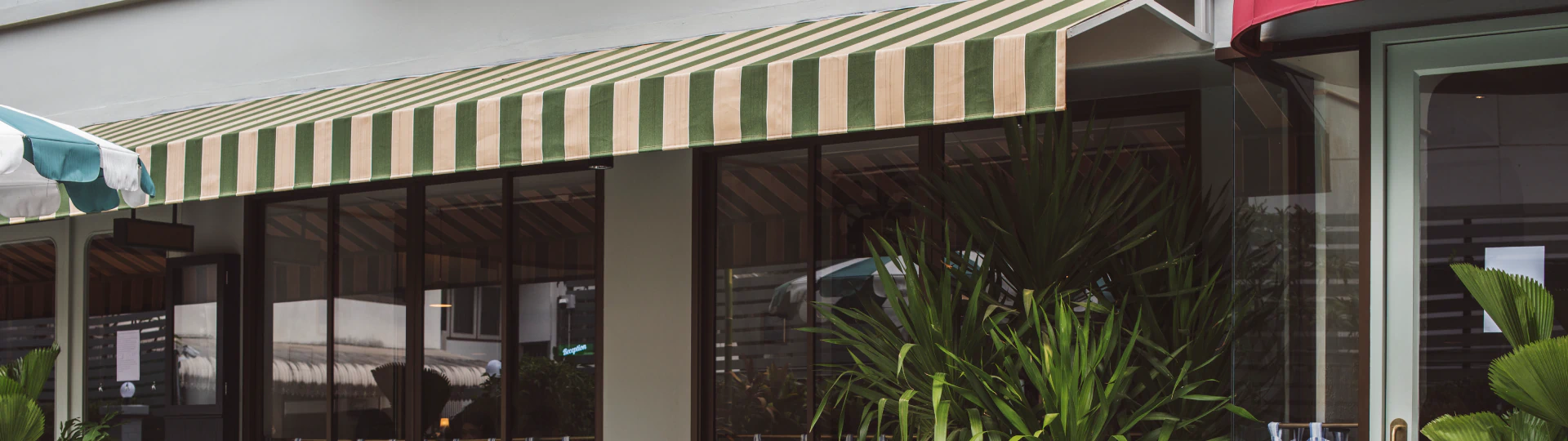
The true value of a retractable awning investment extends beyond the initial purchase to encompass customization options and ongoing support. Custom design begins with fabric selection from hundreds of patterns, solids, and stripes that complement your home’s exterior palette and architectural style. Valance styles range from traditional scalloped edges to contemporary straight-cut designs, each contributing to the overall aesthetic impact. Frame color options allow precise matching or deliberate contrast with trim colors, while projection depth can be tailored to your specific shade requirements based on patio orientation and sun angle throughout the day.
Long-term performance depends significantly on access to professional maintenance and repair services. Quality awning systems require minimal intervention, occasional cleaning to remove pollen and environmental debris, lubrication of mechanical components every two years, and inspection of mounting hardware to ensure continued structural integrity. When fabric eventually shows signs of fading or wear after years of service, replacement proves far more economical than installing an entirely new system. Motor assemblies in automated units typically carry warranties ranging from three to seven years, with replacement or repair readily available through established providers. Hardware components such as arms and brackets routinely outlast fabric by decades when properly maintained. Selecting a provider who offers comprehensive support ensures that minor adjustments, operational questions, or eventual component replacement remain straightforward rather than becoming obstacles. This ongoing relationship transforms your awning from a standalone purchase into a managed outdoor comfort system that delivers reliable performance year after year, protecting your initial investment while adapting to evolving needs as your outdoor living priorities shift over time.

